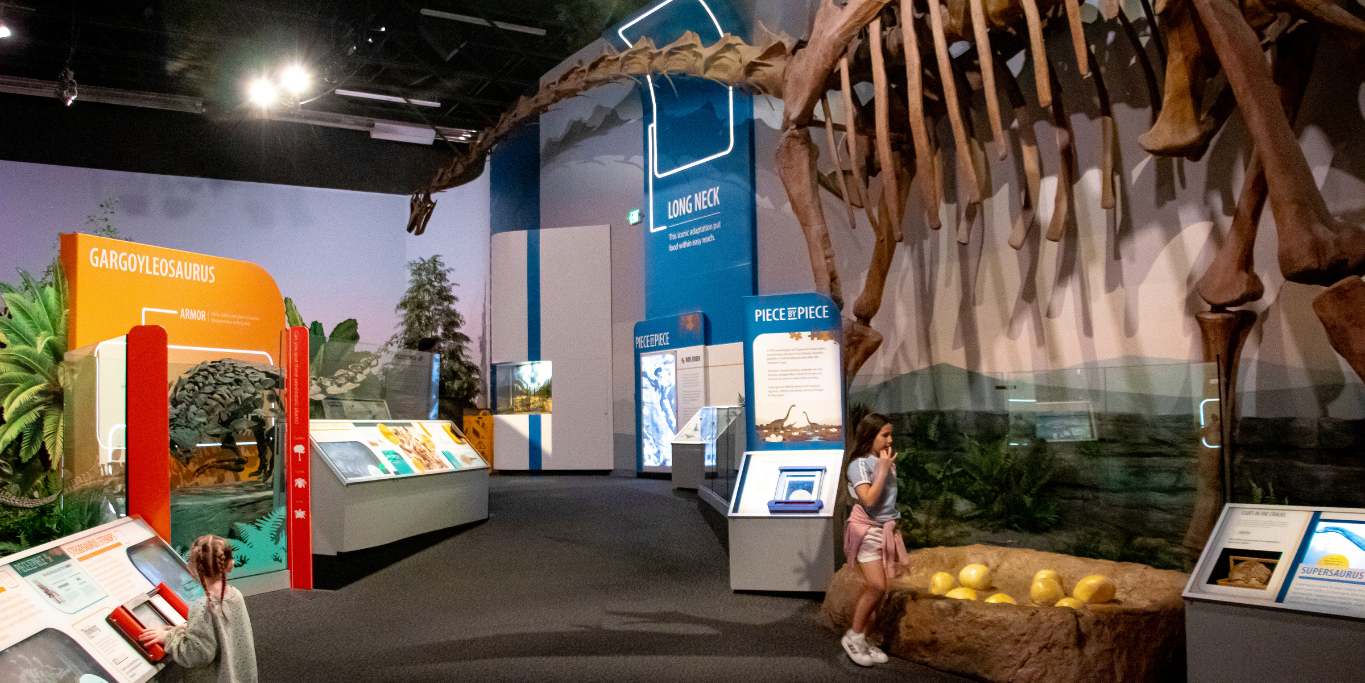
Something prehistoric has arrived at the Mountain America Museum of Ancient Life.
Need for Speed, the newest chapter of Jurassic Hall, is NOW OPEN at Thanksgiving Point! This new dinosaur exhibit invites guests to step millions of years into the past and investigate what made Jurassic predators such successful hunters.
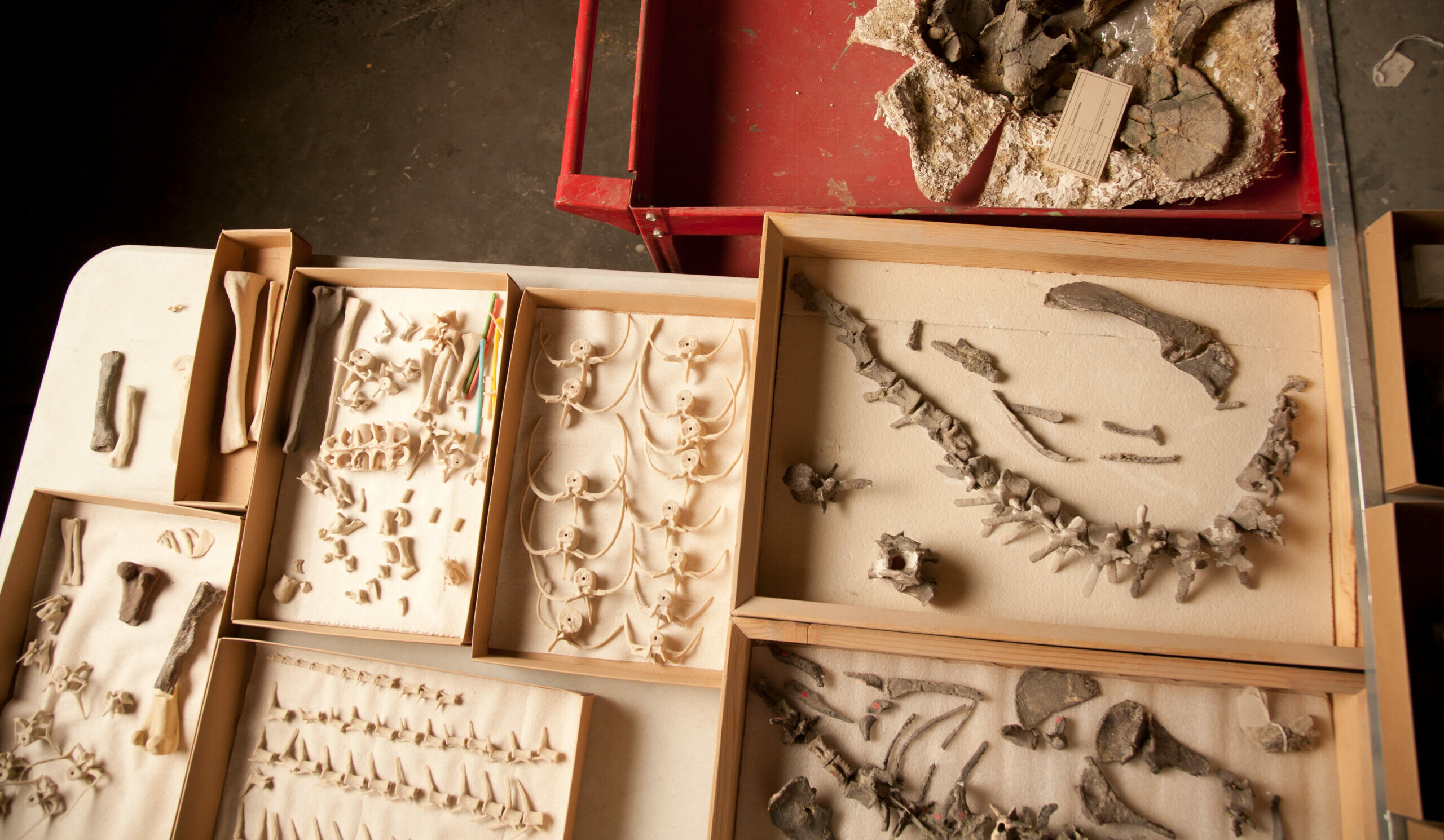
From standing face-to-face with the world’s only known Tanycolagreus to seeing a newly mounted Ceratosaurus and a nearly complete adult Allosaurus, Need for Speed brings together remarkable fossils, hands-on activities, and interactive technology to tell the story of some incredible Jurassic predators.
But this exhibit isn’t just about seeing dinosaurs—it’s about discovering them.
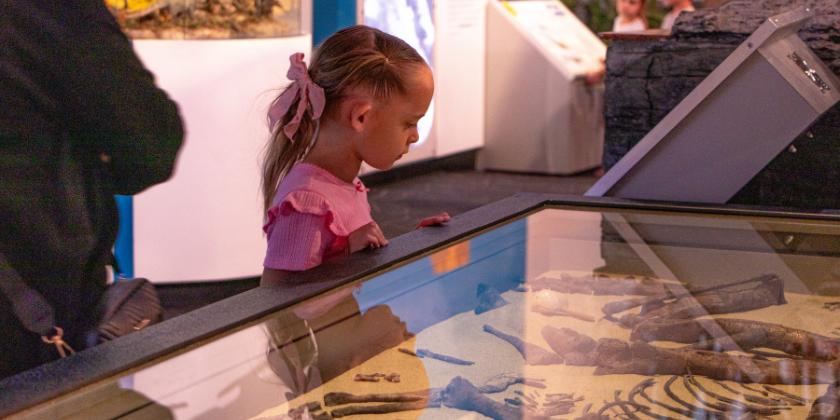
Guests are encouraged to observe evidence, ask questions, compare fossils, and think like scientists as they uncover clues about how these animals moved, hunted, and survived millions of years ago.
What Is Need for Speed?
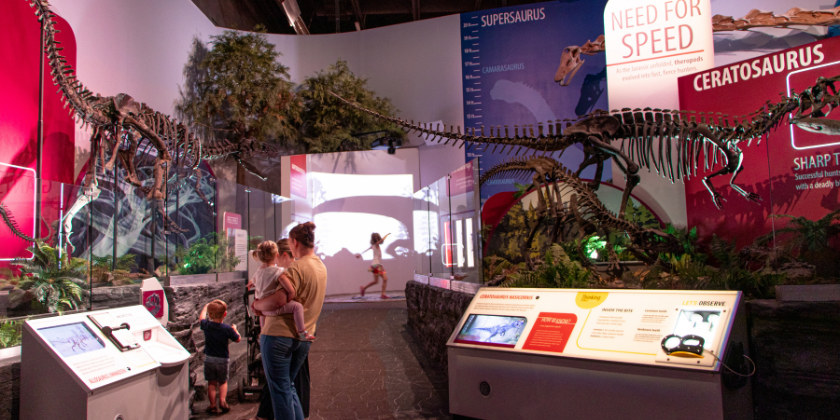
Need for Speed is a NEW dinosaur exhibit inside Jurassic Hall at the Mountain America Museum of Ancient Life.
Throughout the exhibit, families can explore authentic dinosaur fossils while learning how paleontologists use evidence to understand animals that disappeared millions of years ago.
Grab a magnifier and investigate the differences between dinosaur teeth. Create your own paleoart based on the evidence you observe. Then watch Jurassic predators come to life through digital experiences featuring movement, sound, and animation.
Every part of Need for Speed encourages kids and adults alike to get curious.
Instead of simply asking, “What dinosaur is that?” you might leave asking questions like, “How did it move?” “What did those teeth help it eat?” or “What clues can scientists find in its bones?”
That’s where the real discovery begins.
Meet Tanycolagreus: The Only One in the World
One of the biggest reasons to visit Need for Speed is something you literally cannot see anywhere else in the world.
The Mountain America Museum of Ancient Life is home to the only known Tanycolagreus.
Tanycolagreus topwilsoni was a theropod dinosaur that lived during the Late Jurassic Period. It was discovered in the Morrison Formation, the famous rock formation that has produced fossils from some of North America’s best-known Jurassic dinosaurs.
Tanycolagreus was a meat-eating dinosaur with relatively long legs and a lightweight build compared with some of the much larger predators sharing its environment.
Its name even gives you a clue about the animal: Tanycolagreus comes from Greek words referring to its long limbs and hunting.
And because only one specimen is known, the fossil at Thanksgiving Point plays an especially important role in what scientists know about this dinosaur.
Come see the world’s only known Tanycolagreus for yourself inside Need for Speed!
Come Face-to-Face with a Real Adult Allosaurus
If there’s one predator that represents the Jurassic Period in Utah, Allosaurus deserves a spot near the top of the list.
Need for Speed gives guests the chance to stand before a remarkably complete real adult Allosaurus fossil.
Allosaurus lived during the Late Jurassic Period, roughly 150 million years ago, and fossils have been discovered throughout the western United States—including right here in Utah.
It was a large theropod predator that walked on two powerful hind legs, had relatively short three-fingered arms, and possessed a mouth filled with serrated teeth designed for cutting flesh.
One particularly interesting feature of Allosaurus is its skull. Compared with some later giant theropods, its skull was relatively lightweight, with openings that reduced its weight without sacrificing the structure needed for a formidable predator.
And while you’re exploring Jurassic Hall, keep an eye out for another special specimen: the museum’s famous juvenile Allosaurus, prepared by Rick Hunter.
Seeing the juvenile and adult fossils gives guests an incredible opportunity to observe these animals at different stages of life.
Think you know Allosaurus? Come investigate the real fossils and see what evidence YOU can uncover.
A Newly Mounted Ceratosaurus Has Arrived
There’s another predator waiting for you inside Jurassic Hall.
Meet the newly mounted Ceratosaurus!
Living during the Late Jurassic Period, Ceratosaurus shared its world with other large predators, including Allosaurus. But there are some features that make this dinosaur pretty easy to recognize.
Its name means “horned lizard,” referring to the prominent horn-like structure on its snout. Ceratosaurus also had smaller bony structures above its eyes and a row of small bony plates running along its back.
Another distinguishing feature was its teeth. Ceratosaurus had large, blade-like teeth that helped make it a formidable carnivore.
That raises an interesting question: How could multiple large predators live in the same environment?
Scientists can examine fossils, anatomy, tooth shape, body size, and the environments where bones are discovered to develop ideas about how different predators may have occupied the same ecosystems.
Now you can investigate some of that evidence yourself.
See the newly mounted Ceratosaurus and discover what sets it apart from its Jurassic neighbors.
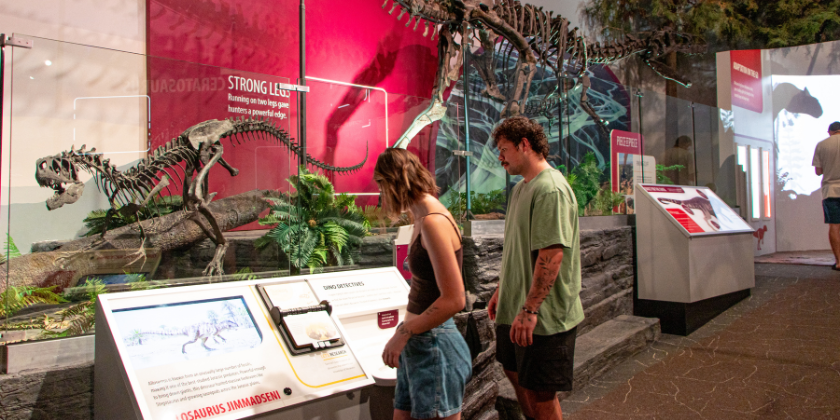
Think Like a Paleontologist
You don’t need a degree in paleontology to start thinking like a scientist.
Need for Speed was created to encourage guests to observe, investigate, question, and draw conclusions from evidence.
Throughout the exhibit, you can:
- Examine authentic dinosaur fossils up close.
- Use magnifiers to compare different dinosaur teeth.
- Discover how paleontologists use fossils to develop ideas about extinct animals.
- Create paleoart inspired by scientific evidence.
- Experience digital exhibits that bring Jurassic predators to life through movement, sound, and animation.
- Look for adaptations that may have helped predators hunt and survive.
- Ask your own questions about the evidence in front of you.
There isn’t just something to look at—there’s something to investigate.
Kids can practice the same skills scientists use when studying the prehistoric world: observing details, gathering evidence, asking questions, and using what they discover to form new ideas.
Why Were Jurassic Predators So Successful?
Speed wasn’t the only thing that mattered.
A successful Jurassic predator needed a combination of adaptations that could help it locate prey, move through its environment, capture food, and compete in an ecosystem filled with other animals.
That’s one of the questions at the heart of Need for Speed.
By comparing animals like Tanycolagreus, Allosaurus, and Ceratosaurus, guests can start looking for differences in their bodies. Consider their teeth. Look at their legs and arms. Compare their skulls and overall size.
Each fossil provides another piece of evidence.
And while scientists can’t travel back in time to watch these animals hunt, fossils allow them to develop and test ideas about how dinosaurs may have lived.
It’s a reminder that paleontology isn’t just about discovering bones—it’s about using those bones to ask bigger questions about life on Earth.
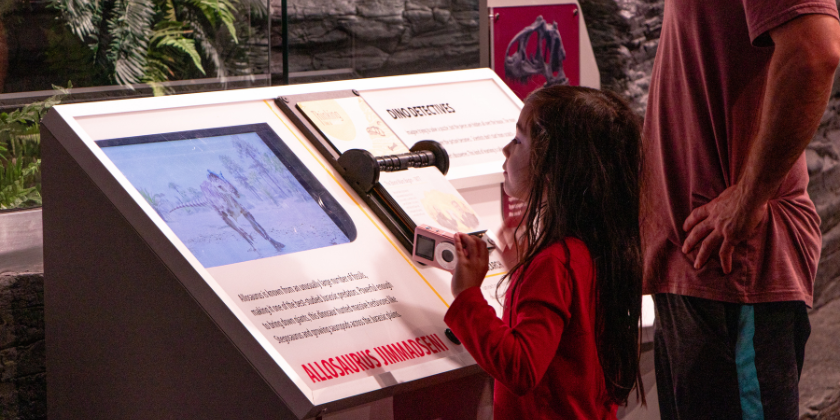
Make Your Next Discovery at Thanksgiving Point
Whether your child can name every dinosaur that ever walked the Earth or is just beginning to discover the prehistoric world, Need for Speed offers a new way to experience Jurassic Hall.
See the world’s only known Tanycolagreus. Stand before a remarkably complete adult Allosaurus. Find the museum’s famous juvenile Allosaurus. Meet the newly mounted Ceratosaurus. Examine real fossils, experiment with hands-on activities, and see Jurassic predators brought to life through interactive technology.
Most importantly, come ready to get curious.