When you picture a farm, you might think of tractors, barns, fields, and animals. But today’s farms are also filled with some seriously impressive technology. From tractors that can steer themselves to robots that use lasers to eliminate weeds, modern agriculture combines generations of farming knowledge with new innovations designed to help farmers work smarter and more efficiently.
At Curiosity Farms at Thanksgiving Point, families can discover the science, technology, and innovation behind modern agriculture while getting hands-on with the world of farming.
Get your tickets to Curiosity Farms and come discover how agriculture continues to evolve.
1. Tractors That Can Steer Themselves
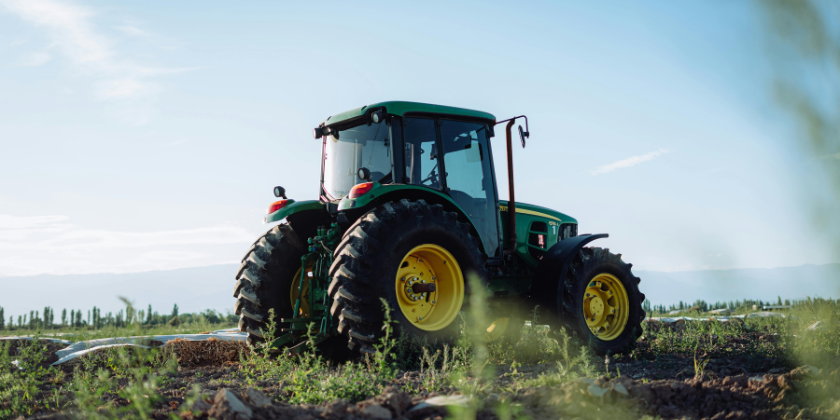
Today’s tractors can do a lot more than drive through a field. GPS guidance and auto-steering technology can help farm equipment follow extremely precise paths. This precision can reduce overlapping passes through a field, helping farmers save fuel and use seed, fertilizer, and other resources more efficiently.
Precision agriculture has become an important part of modern farming, especially on large crop farms. It’s one example of how technology can help farmers accomplish more while making careful use of their resources.
2. Drones Take Farming to the Sky
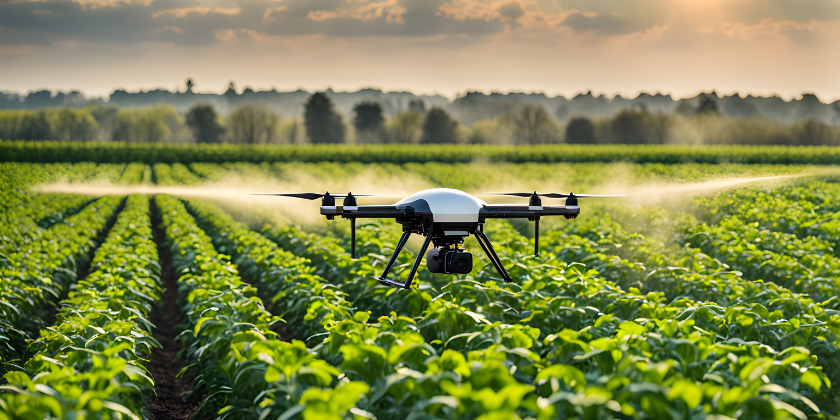
Drones aren’t just for taking amazing aerial photos. Farmers can use drones to get a bird’s-eye view of their fields and collect information about their crops.
Depending on the technology, drones can help farmers scout fields, create maps, monitor plant health, identify areas that may need attention, and even assist with certain spraying applications. Instead of walking acres of crops to look for a problem, farmers can use aerial technology to better understand what is happening across a field.
3. AI Can Spot Weeds
Artificial intelligence has made its way to the farm, too.
Technologies such as John Deere’s See & Spray™ use cameras and onboard processors to identify weeds as equipment moves through a field. The system can then activate individual spray nozzles to target areas where treatment is needed instead of treating everything exactly the same.
During the 2025 growing season, John Deere reported that See & Spray technology was used across more than 5 million acres, with customers reducing non-residual herbicide use by an average of nearly 50%.
That means cameras, computers, and AI aren’t just technologies of the future—they’re already working in fields today.
4. Robots Are Using Lasers to Fight Weeds
Yes, you read that correctly: lasers!
Carbon Robotics has developed the LaserWeeder™, a commercial farming machine that combines high-resolution cameras, artificial intelligence, and lasers. Its computer-vision system distinguishes crops from weeds before lasers target the weeds without disturbing the soil around the crop.
The technology isn’t just a prototype, either. Carbon Robotics reports that its original commercial LaserWeeder is owned and operated by more than 100 growers across North America, Europe, and Australia.
It’s a pretty incredible example of how robotics and agriculture are coming together to solve challenges farmers have faced for generations.
5. Smart Sensors Help Farmers Understand Their Crops
Sometimes the biggest technological advances are the ones you barely notice.
Modern farms can use sensors and precision-agriculture tools to collect information about fields, crops, and soil. This data can help farmers make better-informed decisions about things like irrigation, fertilizer, and crop management.
Instead of simply guessing what an entire field needs, farmers can use information gathered from technology to better understand conditions in different areas. It’s another way that science and agriculture work together every day.
Discover the Future of Farming at Curiosity Farms
Farming has always required curiosity, problem-solving, and a willingness to adapt. Today’s farmers are continuing that tradition with tools their grandparents could hardly have imagined—from GPS-guided equipment and drones to artificial intelligence and laser-powered machines.
At Curiosity Farms, kids and families can discover that agriculture is about so much more than where our food comes from. It’s a world filled with biology, engineering, technology, animals, plants, and plenty of questions waiting to be explored.
Bring your little scientists, animal lovers, future farmers, and big thinkers for a day of hands-on discovery.