Behind the Scenes of Invertebrate Animal Care in Utah
At the Butterfly Biosphere at Thanksgiving Point, animal care goes far beyond butterflies drifting through a tropical conservatory. Behind the scenes, a dedicated team of entomology keepers provides professional, science-driven care to more than 100 species of invertebrates—animals without backbones—including insects, arachnids, chilopods, crustaceans, and mollusks.
While the Butterfly Biosphere is not AZA accredited, the level of care mirrors the standards upheld by major zoological institutions. From detailed record-keeping to environmental enrichment and USDA compliance, every day is rooted in precision, observation, and a deep understanding of entomology.
If you’ve ever wondered what an entomology keeper does in Utah’s only insect-focused conservatory, here’s a look inside a typical day.
Morning Animal Care Rounds: Health Checks and Habitat Monitoring
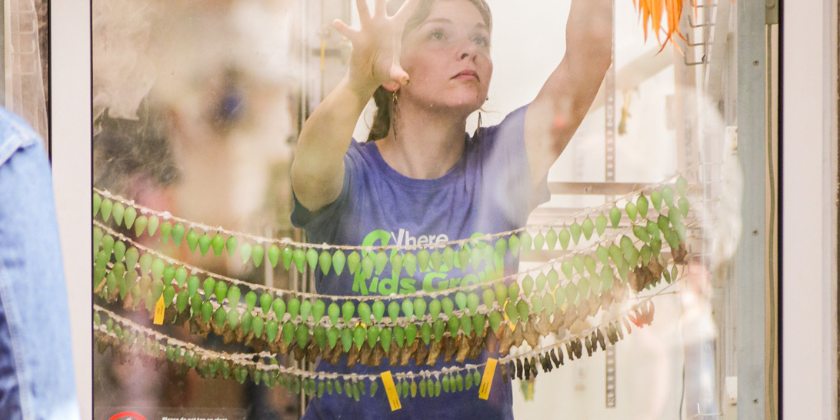
Every day begins with assigned “runs.” These runs divide animal care responsibilities evenly among keepers to ensure no enclosure, feeding schedule, or husbandry task is overlooked.
During morning checks, keepers ask critical questions:
- Is the animal alive and behaving normally?
- Is the enclosure at the correct temperature and humidity?
- Is food available and appropriate for the species?
- Are exhibits clean, secure, and guest-ready?
Humidity is often maintained by misting enclosures with water. Substrates may be refreshed. Climbing materials are adjusted. Any irregularities are immediately corrected and recorded in a professional animal collection database.
This database tracks:
- Feeding records
- Behavioral observations
- Health concerns
- Ambassador animal usage and responses
- Enclosure or substrate changes
- Births, deaths, and breeding activity
This level of documentation ensures transparency, accountability, and optimal animal welfare.
Specialized Diets for Over 100 Invertebrate Species
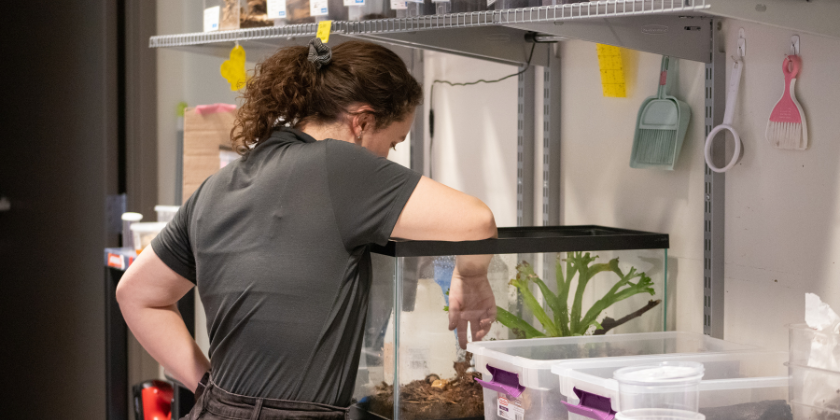
Invertebrate nutrition is highly specialized. Keepers prepare and distribute a wide variety of diets depending on whether the animal is carnivorous, herbivorous, or omnivorous.
Daily food prep may include:
Fresh Produce
Apples, sweet potatoes, zucchini, yellow squash, cucumber, romaine lettuce
Browse Materials
Blackberry, pothos, bleeding heart vine, fiddle-leaf fig, nonni
Feeder Insects
Crickets, roaches, wax worms, wax moths, fruit flies, house flies
Supplemental Foods
Fish flakes, kibbled dog food, oatmeal, bee pollen, turtle sticks, trout pellets
Butterflies themselves feed primarily on ripe bananas and oranges, sometimes mango, and artificial nectar made from powdered Gatorade.
Most herbivorous and omnivorous species are fed daily. Carnivorous species may eat only once or twice per week, depending on age and metabolism.
Proper diet is one of the most important aspects of invertebrate husbandry—especially in a field where research is still in its early stages, and trial-and-error often plays a role.
Environmental Enrichment for Insects and Arthropods
Environmental enrichment is defined as enhancing captive animal care by providing stimuli necessary for psychological and physiological well-being.
At the Butterfly Biosphere, enrichment might include:
- A ping pong ball placed in a tarantula enclosure for exploration
- Dragon fruit offered to flower beetles as a novel food
- Frequently rotating climbing materials for hermit crabs
Because very little is widely published about invertebrate husbandry, keepers must be observant and adaptable. Behavioral changes can signal stress, breeding readiness, or environmental needs.
Preparing for Guests: Show-Worthy Exhibits and Outreach
Before doors open, keepers ensure exhibit animals are visible, enclosures are secure, and displays are show-ready. Some exhibits, such as bees and ants, open directly into guest areas and require extra attention.
Keepers also prepare animals for:
- Critter Corner shows
- Field trips
- Community outreach programs
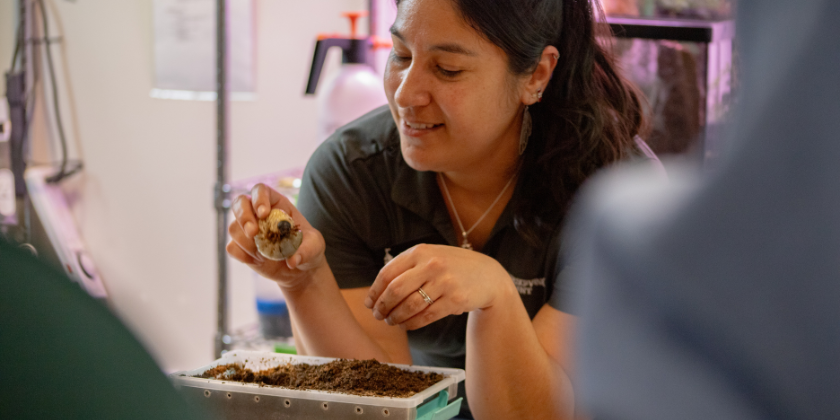
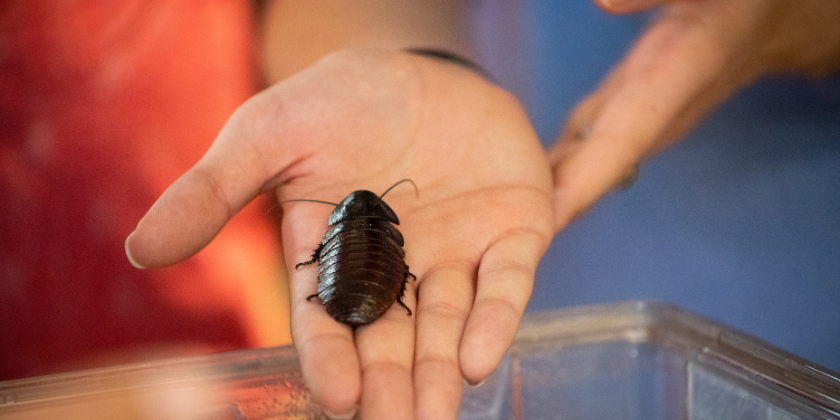
Ambassador animals are carefully packed using proper materials and handling techniques to minimize stress.
Entomologist Chats and STEM Education
One of the most rewarding parts of the job is public engagement.
Each day, entomologists present at least two educational chats:
11:00 AM — Topic of the Keeper’s Choice
2:00 PM — Butterfly Science Chat
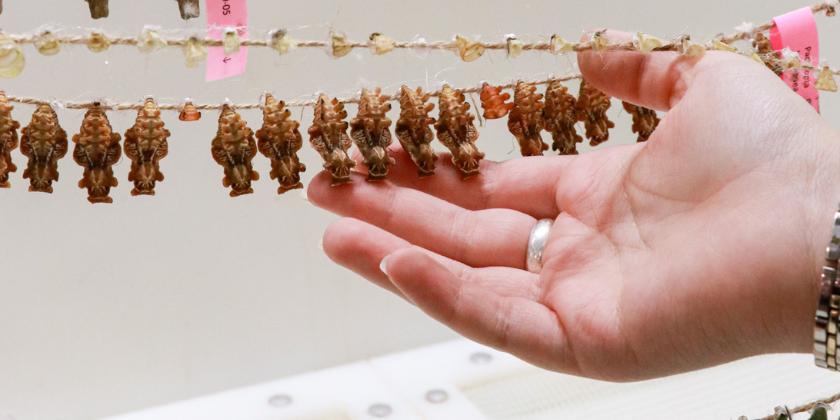
The Butterfly Science Chat includes releasing butterflies that have eclosed (emerged from their chrysalis) that day. Guests learn about:
- The butterfly life cycle
- Metamorphosis
- Feeding behaviors
- Conservatory care practices
These chats are informal and interactive. They may include:
- Live animals for viewing or gentle handling
- Mounted specimens
- Games or visual aids
Research, Writing, and Professional Growth in Entomology
Entomology keepers are not just caretakers—they are researchers.
Because invertebrate husbandry is still a developing field, keepers regularly:
- Write SOGs (Standard Operating Guidelines)
- Develop species-specific care manuals
- Document natural history
- Share best housing practices
- Work on breeding initiatives
- Present papers at conferences
Communication with other institutions maintaining invertebrate collections is essential for advancing knowledge and improving care standards.
Team meetings are held twice a week to discuss husbandry challenges, introduce new initiatives, and participate in professional development exercises.
Training and Career Development in Entomology
Becoming an entomology keeper is highly specialized. Most training occurs on the job and requires:
- Foundational knowledge of entomology
- Strong observational skills
- Attention to detail
- Adaptability
- A passion for animal welfare
If you’re interested in STEM careers, animal science, or insect research, there are opportunities to gain hands-on experience.
Why the Butterfly Biosphere Matters
The Butterfly Biosphere at Thanksgiving Point is more than a conservatory—it is a living laboratory, a USDA-compliant invertebrate collection, and a STEM education hub in Utah County.
Every butterfly released, every enclosure cleaned, every census recorded, and every chat presented reflects a commitment to excellence in invertebrate animal care.
When you walk through the conservatory and see butterflies fluttering overhead, remember that behind the scenes, a team of dedicated entomology keepers is working diligently to ensure their health, safety, and well-being.