Little moments make a big difference.
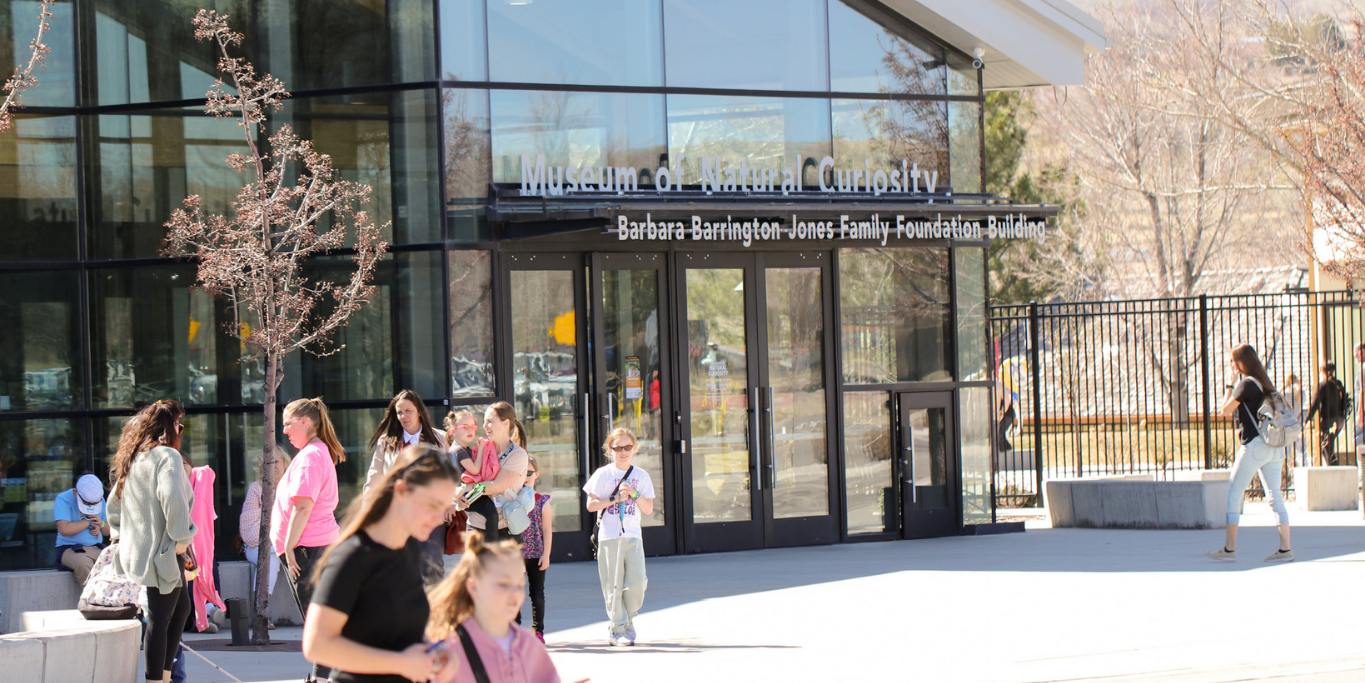
When your child walks through the doors of the Museum of Natural Curiosity, they probably aren’t thinking about building confidence, practicing curiosity, or learning compassion. They’re thinking about racing to their favorite exhibit, climbing as high as they can, experimenting with water, or heading straight to Kidopolis.
But that’s the incredible thing about play: kids are growing while they’re having fun.
At Thanksgiving Point, our Growing Character approach helps families turn everyday moments of discovery into opportunities to build curiosity, confidence, and compassion. And parents can be a big part of that growth simply by asking questions, giving kids space to explore, and encouraging them when something feels challenging.
Next time you visit the Museum of Natural Curiosity, try a few of these simple approaches while your child plays.
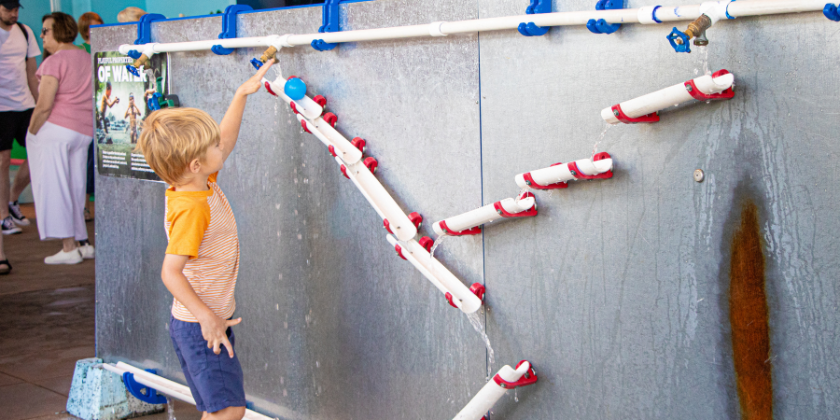
Encourage Curiosity in Water Works: Keep an Open Mind
Water Works gives kids the chance to interact with water, wind, earth, and other forces of nature while experimenting with how the world around them works. While they’re busy playing, parents can help encourage curiosity by practicing openness.
Imagine your child is trying to construct a water pathway by connecting different pieces. Instead of showing them the “right” way to build it, hand them a piece and say:
“You can use this any way you’d like.”
If they get stuck, try “How can I help?” rather than immediately solving the problem.
Being engaged doesn’t mean directing their creative process. Give them the freedom to experiment, change their minds, make mistakes, and discover a solution you may not have considered.
You can practice this when they’re experimenting with the Rain Cloud, too. As they send colorful balls soaring through the air, ask:
“What are you noticing about how the balls move?”
If they develop their own theory or a new way to experiment, encourage them:
“That’s a great idea! Let’s explore that more.”
Openness is an important foundation for curiosity. An open mind, welcoming words, and a willingness to explore alongside your child can open the door to discovery.
Build Confidence in Kidopolis: Let Them Take the Lead
If your child makes a beeline for Kidopolis, let them take charge!
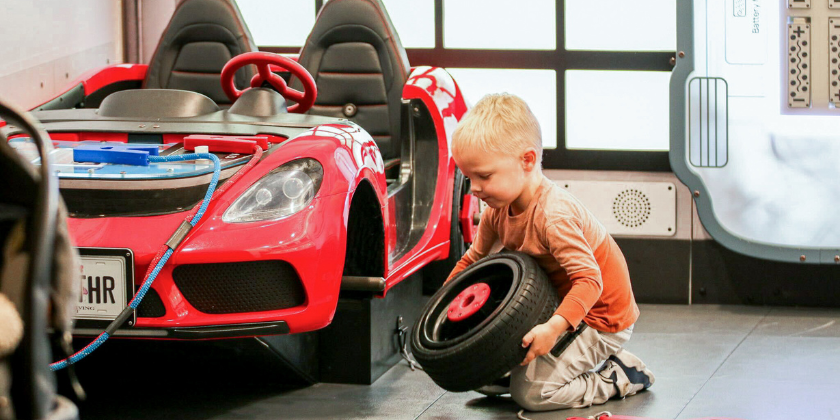
From working in Saul’s Auto Shop to running the Kidopolis Bank, this exhibit gives kids opportunities to imagine, problem-solve, make decisions, and discover what they’re capable of doing independently.
As your child works on replacing a tire in Saul’s Auto Shop, resist the urge to immediately show them how. Instead, once they start figuring it out, ask:
“Can you show me how you did that?”
or
“How did you come up with that idea?”
Questions like these let your child become the expert. Instead of looking to an adult for the answer, they’re recognizing their own ability to solve problems.
The same thing applies when things get difficult.
Maybe your child is working at the Kidopolis Bank and can’t figure out the correct change. It can be tempting to step in and do it for them—but confidence often grows through trying, making mistakes, and trying again.
Give them time. Let them do most of the talking. Model persistence without taking over, and if they truly need help, work through the problem side by side.
Support doesn’t always mean solving. Sometimes, simply staying present is enough.
Confidence grows when kids feel ownership over their discoveries. Give them the opportunity to say, “I figured it out!”
Encourage Brave Exploration in the Rainforest: Take Healthy Risks
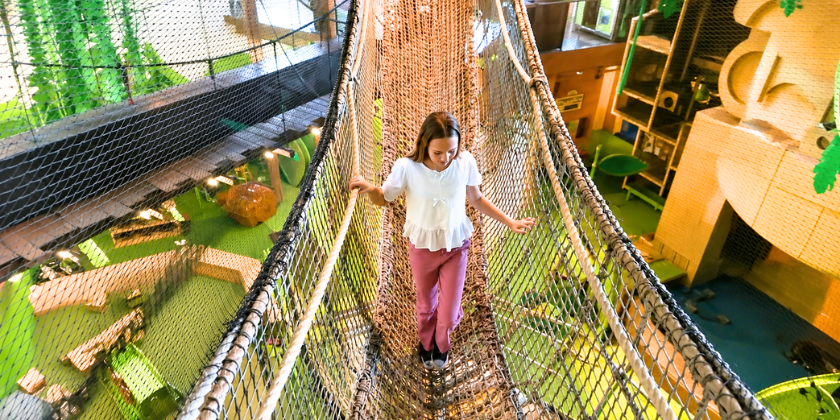
For your big adventurers, the Rainforest is filled with opportunities to climb, explore, and test their courage. But not every child is going to confidently race across the rope bridges on their first try—and that’s okay. Taking healthy risks is an important part of building confidence. Kids learn that they can approach something unfamiliar, work through uncertainty, and discover that they’re capable of more than they thought.
The key isn’t forcing them to do something scary. Kids need to feel safe before they’re ready to step outside their comfort zones. Start small and move at their pace.
If your child hesitates before crossing a rope bridge, try saying:
“Let me know if you feel ready to give it a try.”
Or:
“Should we try it together?”
You can also help them put their fear into words:
“What about that feels tricky or scary?”
Naming what feels scary can make an intimidating experience easier to understand. You can even share your own experiences:
“I felt nervous about that too, and that’s okay. What matters is that we tried.”
When kids know that being brave doesn’t mean never feeling afraid, they can begin learning how to move through uncertainty with confidence.
Play With a Purpose at Thanksgiving Point
You don’t need to turn every museum visit into a lesson. In fact, you shouldn’t. Let them run. Let them climb. Let them splash. Let them pretend. Let them spend way longer than you expected doing the exact same activity over and over again. Then, look for those little opportunities to join them.
Ask “What do you notice?” instead of giving them the answer. Say “Show me how you did it” instead of taking over. Ask “Do you want to try it together?” when something feels intimidating.
These interactions may seem small, but little moments make a big difference.
Through Growing Character at Thanksgiving Point, play can become an opportunity to strengthen the qualities kids will carry far beyond the museum. Every question can spark curiosity. Every challenge can build confidence. And every supportive interaction can help children learn compassion for themselves and others. So the next time your kids race through the doors of the Museum of Natural Curiosity ready to play, follow their lead—and see just how much growing can happen along the way.