Bright marigolds. Colorful papel picado. Music, food, photographs, and stories of loved ones.
Día de los Muertos is one of the most recognizable celebrations of the fall season, but behind its beautiful colors and imagery is something much deeper: a tradition centered on family, remembrance, and celebrating the lives of those who came before us.
Often translated as Day of the Dead, Día de los Muertos has roots in Indigenous Mesoamerican traditions and later became intertwined with Catholic observances including All Saints’ Day and All Souls’ Day. Today, it is celebrated in Mexico, throughout parts of Latin America, and by Latino communities around the world.
So what does Día de los Muertos really mean, and what are some of the traditions you may see during the celebration? Let’s take a closer look.
Is Día de los Muertos the Same as Halloween?
This is one of the biggest misconceptions about the holiday. Although Día de los Muertos takes place around the same time of year as Halloween—and both may feature skeleton imagery—the traditions have very different meanings.
Halloween is celebrated on October 31, while Día de los Muertos is traditionally observed around November 1 and 2. Rather than focusing on fear or the spooky side of death, Día de los Muertos is a joyful time to remember family members and friends who have died and celebrate the lives they lived.
Food, music, dancing, storytelling, art, and family gatherings can all be part of the celebration. In other words, Día de los Muertos is not about being afraid of death. It is about remembering life.
What Is an Ofrenda?
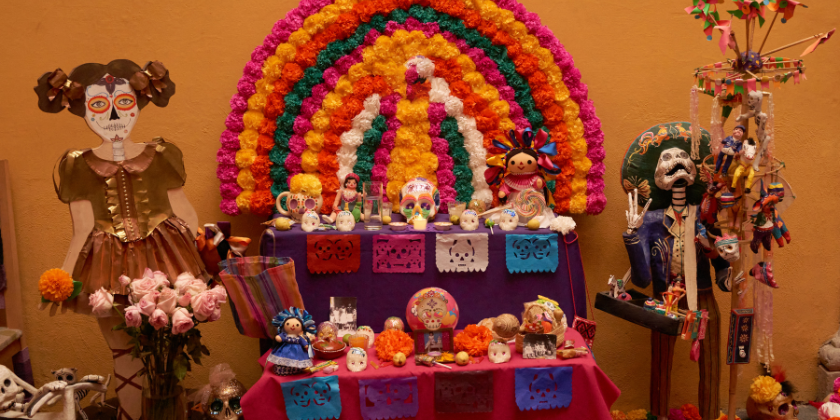
One of the most important traditions associated with Día de los Muertos is the ofrenda, or offering altar.
Families may create ofrendas to honor loved ones who have passed away, decorating them with photographs, candles, flowers, food, and personal belongings or favorite items that help tell that person’s story.
No two ofrendas have to look exactly the same. That is part of what makes them so meaningful. An ofrenda might include a favorite meal, a photograph from a happy memory, an object connected to someone’s hobbies, or something as simple as a food they loved. Together, these items help families remember not only that someone lived, but who they were.
Why Are Marigolds Used for Día de los Muertos?
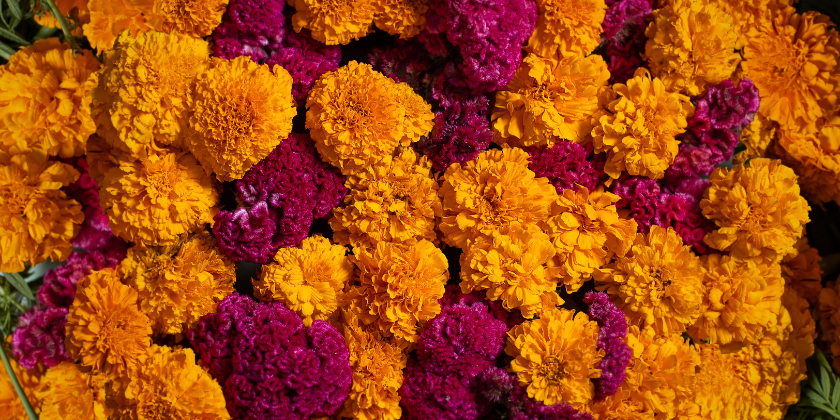
If you have seen Día de los Muertos artwork or celebrations, you have probably noticed bright orange and yellow flowers. These are often cempasúchil, or marigolds.
Their bright colors and strong fragrance have traditionally been used on ofrendas and gravesites, with petals sometimes arranged into pathways. In tradition, their color and scent are believed to help guide the spirits of loved ones back to their families. That is why marigolds have become one of the most recognizable symbols of Día de los Muertos.
What Do Sugar Skulls Represent?
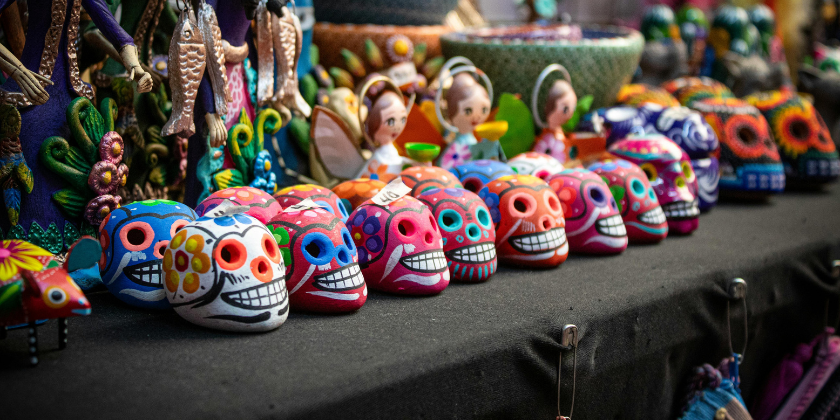
Colorful skulls may look spooky at first, but their meaning is quite different. Calaveras, including decorated sugar skulls, are often bright, playful, and full of personality. Rather than treating the skull only as a symbol of sadness or fear, Día de los Muertos traditions can use it as a reminder that death is part of the natural cycle of life. That is one reason the skulls are so often covered in flowers, patterns, bright colors, and joyful designs.
What Is Papel Picado?
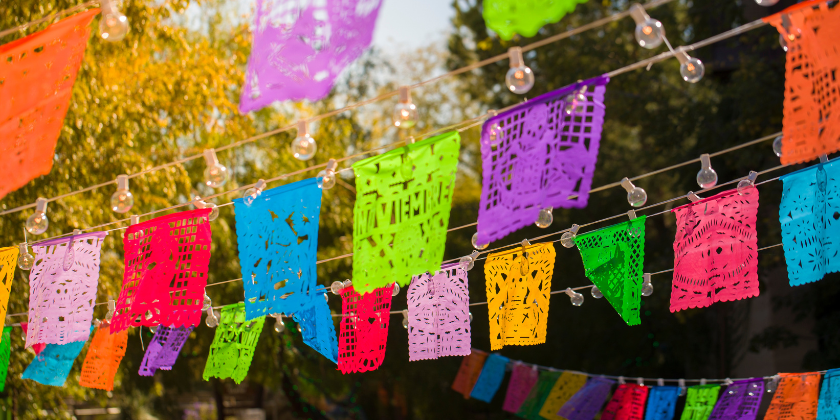
Those colorful paper banners you often see hanging above Día de los Muertos celebrations are called papel picado. The delicate designs are cut into sheets of tissue paper and used as colorful decorations during celebrations and on ofrendas.
Within traditional ofrendas, papel picado can also represent wind, one of several natural elements symbolically incorporated into the altar. Their movement, color, and intricate designs have become another beautiful visual part of the holiday.
Why Is Food Part of the Celebration?
Food has a powerful way of connecting us to people and memories. A favorite recipe, dessert, or familiar smell can instantly remind us of someone we love or a moment we shared together, and that same connection plays an important role in Día de los Muertos traditions.
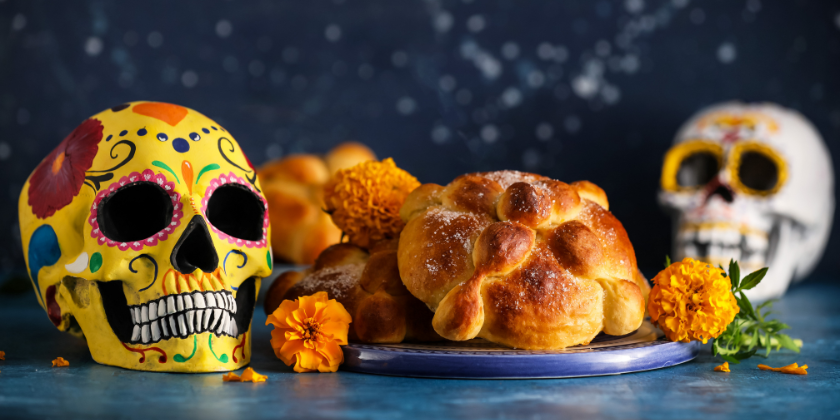
Families may place favorite foods or drinks on an ofrenda as an offering for the person being remembered. Celebrations can also include shared meals, traditional foods, and sweets as families gather to honor loved ones and keep their memories alive.
In that way, food becomes more than something to eat. It can be a way to tell stories, preserve family traditions, and help younger generations feel connected to the people who came before them.
A Celebration of Family, Memory, and Life
At its heart, Día de los Muertos is about connection. It creates an opportunity for families to share stories, remember people they love, celebrate traditions, and introduce younger generations to the family members and histories that came before them.
The holiday can be joyful and reflective at the same time. Remembering someone who has passed may bring sadness, but Día de los Muertos also creates space to celebrate their personality, favorite things, stories, and the impact they had on the people around them.
Through art, music, food, family traditions, and storytelling, the celebration helps keep those memories alive from one generation to the next.
Celebrate Día de los Muertos at Thanksgiving Point
Families in Utah can experience and learn more about these traditions during Día de los Muertos at Thanksgiving Point on Saturday, October 24, from 10 a.m.–8 p.m.
The celebration brings together family history, art, music, food, and cultural traditions for a day centered on remembering loved ones and celebrating the connections between generations.
Whether Día de los Muertos is already an important tradition in your family or you are learning about the celebration for the first time, the event is an opportunity to come together, discover something new, and experience the meaning behind this beautiful tradition.
Come Learn, Remember, and Celebrate Together
Día de los Muertos reminds us that the stories of the people we love can continue through the traditions we keep, the food we make, the photographs we save, and the memories we share with future generations.
Join us at Thanksgiving Point on October 24 from 10 a.m.–8 p.m. for a day filled with family history, art, music, food, and meaningful cultural experiences.
Make plans to celebrate Día de los Muertos at Thanksgiving Point and experience a day dedicated to family, memory, and connection.