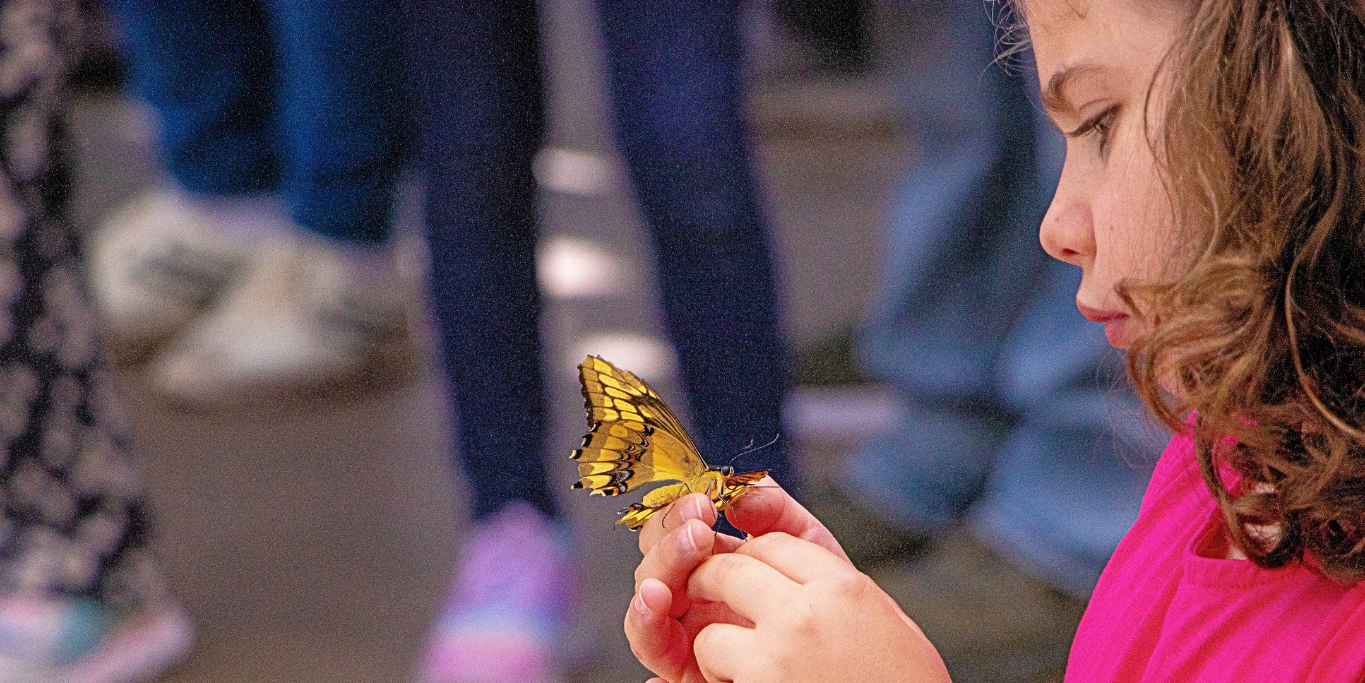
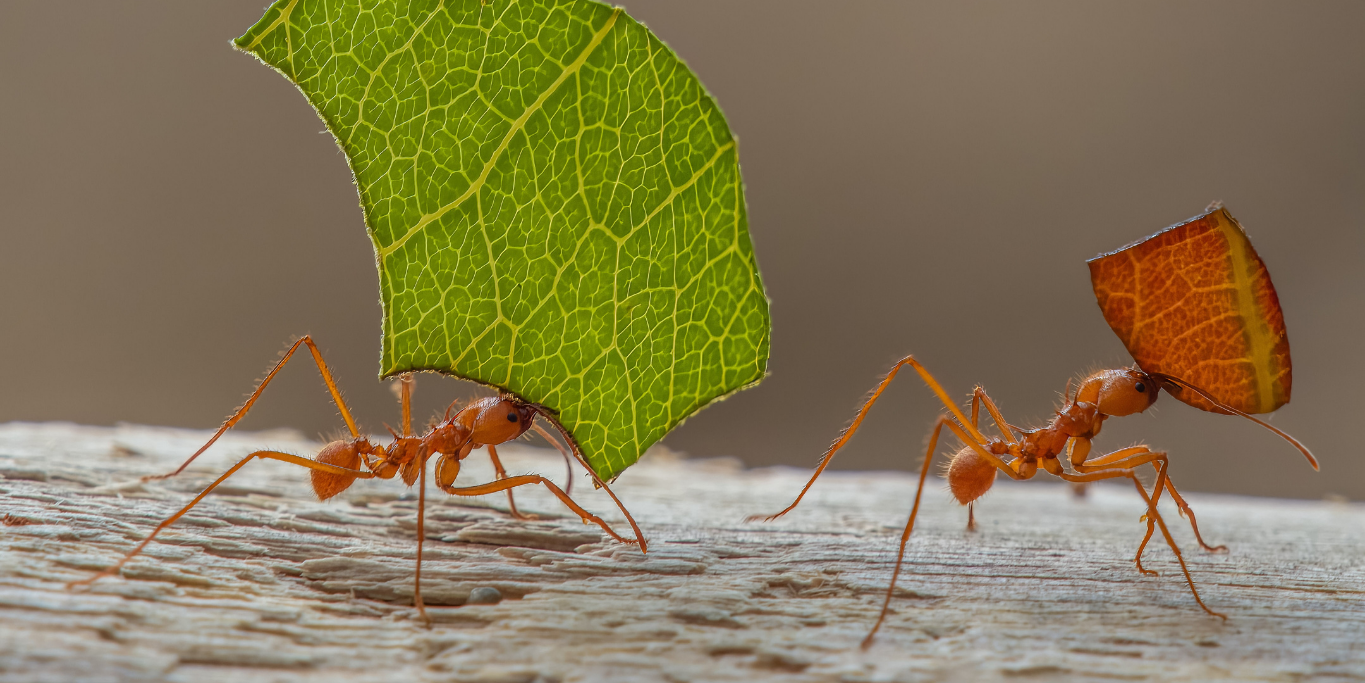
Think we already know everything there is to know about bugs? Think again! Scientists around the world are still discovering new insect species, uncovering surprising behaviors, and finding new ways to study some of the smallest creatures on Earth.

Entomology—the study of insects—is constantly changing as researchers make new discoveries. From brand-new species hiding in rainforests to tiny beetles found in unexpected places, here are five exciting developments showing just how much there is left to discover.

And you don’t have to travel around the world to begin your own insect adventure.

Get your tickets to the Butterfly Biosphere and discover the incredible world of entomology up close.


1. Scientists Are Still Finding New Insect Species

There are countless insects living around the world, and scientists are still finding species that have never been formally described.

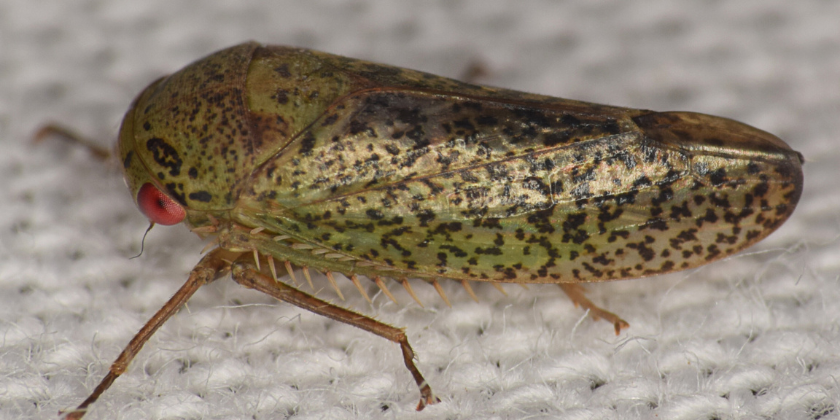
In 2026, researchers announced seven new species of frog-like leafhoppers discovered in Uganda’s Kibale National Park. These tiny insects get their unusual appearance from their body shape and powerful jumping legs.

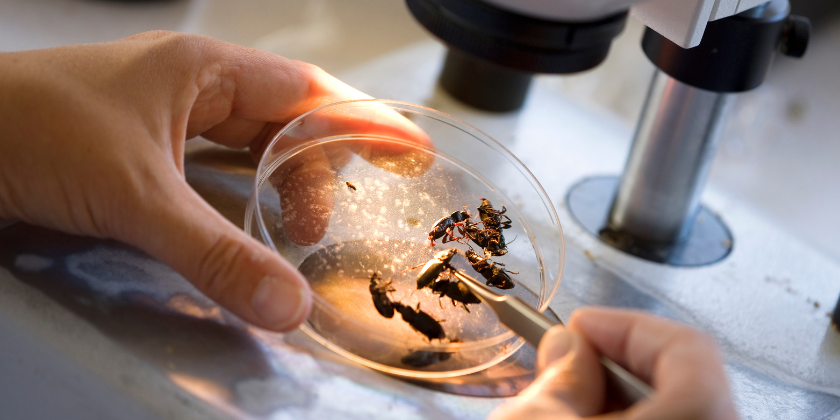
Even more amazing? Some insects can look incredibly similar from the outside. Entomologists may need to examine tiny anatomical differences under a microscope to determine whether they’ve discovered an entirely different species.

It proves that even after generations of studying insects, there are still discoveries waiting to be made.

Start your own insect exploration at the Butterfly Biosphere, where your family can discover incredible insects and other arthropods from around the world.


2. A New Ladybug Was Hiding in Plain Sight

New species aren’t only discovered deep in remote rainforests.

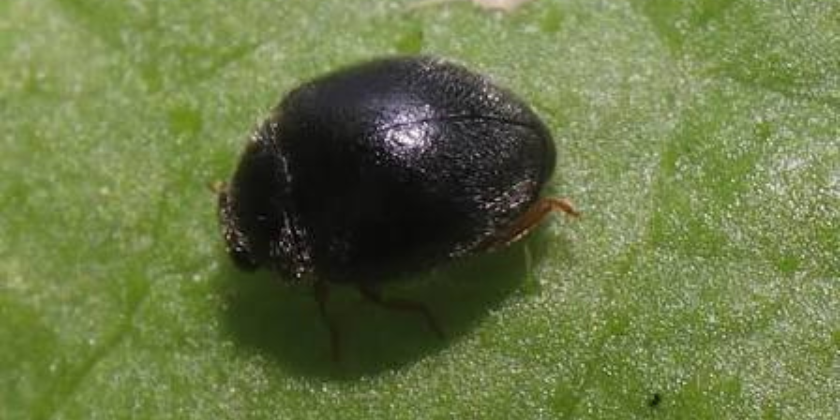
A new species of tiny ladybird beetle called Parastethorus pinicola was discovered in Japan after being found on pine trees at Kyushu University. The beetle is extremely small—around a millimeter in size—which helped it go unnoticed.

Discoveries like this are a great reminder to stay curious about the world around you. An exciting scientific discovery could be hiding in a forest, a garden, or even right outside a classroom.

3. Everyday People Can Help Scientists Make Discoveries

You don’t necessarily need to be a professional scientist to contribute to science. Citizen science allows everyday people to photograph, document, and report the plants and animals they encounter. Those observations can give researchers valuable information about where different species live and can even help bring unusual insects to scientists’ attention. It’s a powerful reminder that curiosity can lead to real scientific discovery.

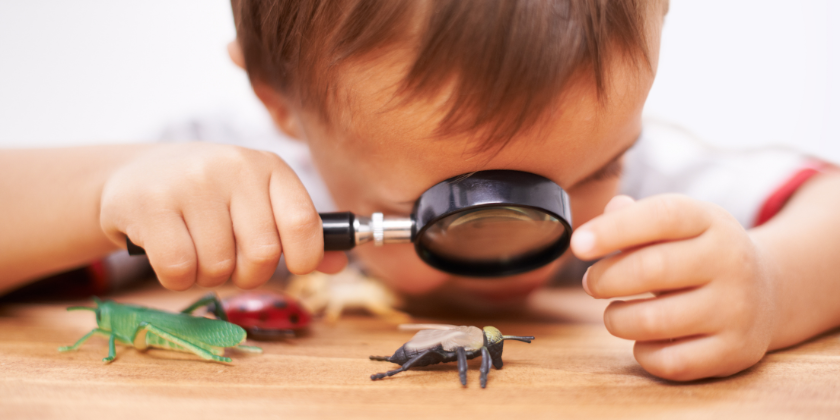
At the Butterfly Biosphere, kids can practice those same observation skills through experiences like Insect Investigators and the Community Insect Collection. Grab a magnifying glass, look closely, ask questions, and discover just how much there is to learn about the tiny creatures living all around us.

Ready to become a bug investigator? Get your tickets to the Butterfly Biosphere and start exploring.


4. Artificial Intelligence Is Helping Identify Insects

Entomologists have another new tool helping them study insects: artificial intelligence. Researchers are developing computer-vision systems that can analyze photographs and help identify insect species. These tools could make it easier to process enormous numbers of insect observations and help researchers monitor biodiversity. But identifying insects isn’t always easy. Different species can look nearly identical, while members of the same species can look different depending on their age, life stage, surroundings, and other factors. That’s why there’s still an important role for trained entomologists who know what details to look for.

5. There’s Still So Much We Don’t Know

Perhaps the most exciting discovery in entomology is realizing just how much is still waiting to be discovered. Every new species, behavior, and observation gives scientists another piece of the puzzle. Studying insects can also help us better understand pollination, food webs, decomposition, agriculture, habitats, and the health of ecosystems. For kids, that means there are still plenty of questions their generation may someday help answer.

Discover the World of Entomology at Butterfly Biosphere

You don’t need to travel to a rainforest or become a scientist to start exploring the world of insects.

At Butterfly Biosphere at Thanksgiving Point, step into a conservatory filled with more than 1,000 butterflies from around the world before exploring the Discovery Zone, home to hundreds of live insects. Families can also participate in daily experiences including Critter Encounters, Entomologist Chats, Bug Races, Butterfly Science Chats, and Insect Investigators.

Meet incredible creatures, ask real entomologists your biggest bug questions, and discover why even the smallest animals can have an enormous impact on our world.

Your next discovery might start with something as simple as stopping to look a little closer.

Get your tickets to the Butterfly Biosphere today and discover the fascinating world of entomology for yourself.