A quilt can keep you warm, but it can also tell a story. Quilting combines art, history, math, science, and creativity all in one project. Every fabric choice, pattern, color, and stitch helps turn small pieces of material into something completely unique.
For generations, people have used quilts to remember important moments, show off their creativity, and bring communities together. Today, quilting is still growing and changing. Some quilters love traditional patterns, while others create bold, modern designs that look more like artwork than a blanket.
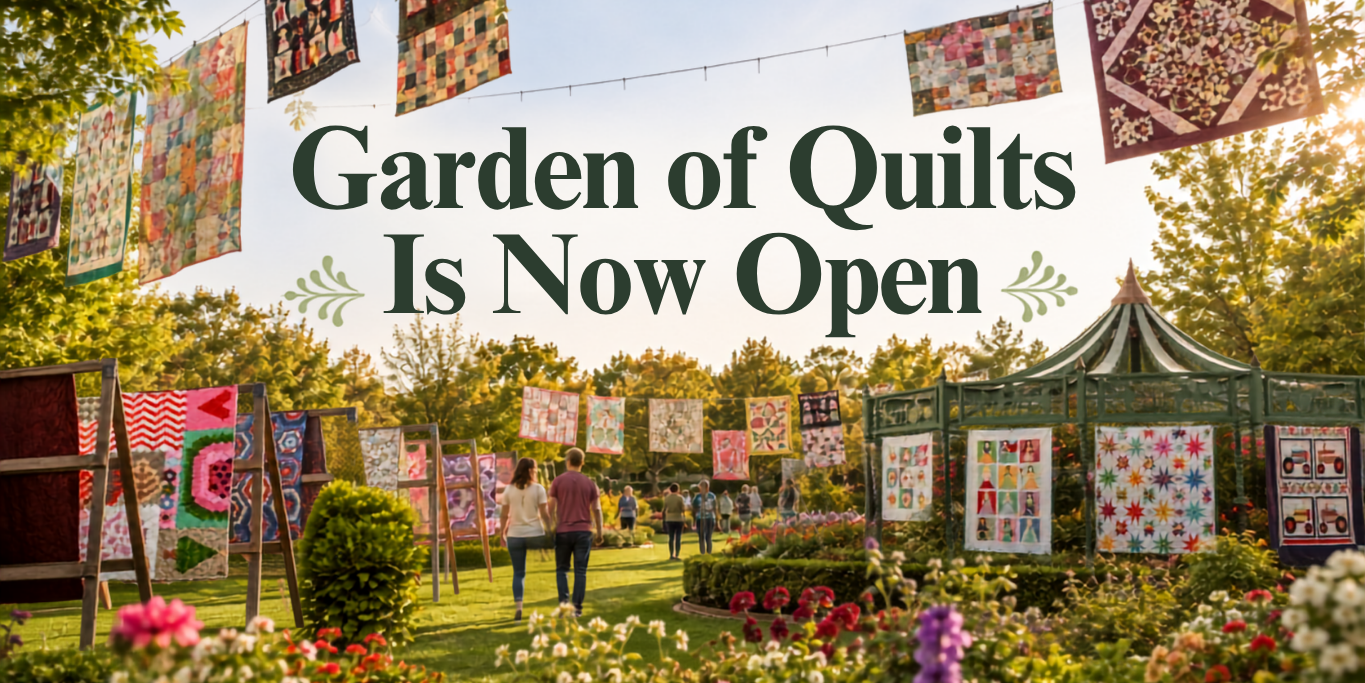
This September, you can see just how creative quilting can be at Garden of Quilts at Thanksgiving Point, where more than 500 quilts will be displayed throughout Ashton Gardens.
Before you visit, here are a few things that make quilting so fascinating.
get tickets
What Is Quilting?
A quilt is usually made from three layers:
- Quilt top: The colorful or patterned layer you see on the front.
- Batting: The soft middle layer that gives the quilt warmth and thickness.
- Backing: The fabric on the back of the quilt.
These layers are stitched together by hand or with a sewing machine.
That may sound simple, but quilters can create almost anything with fabric.
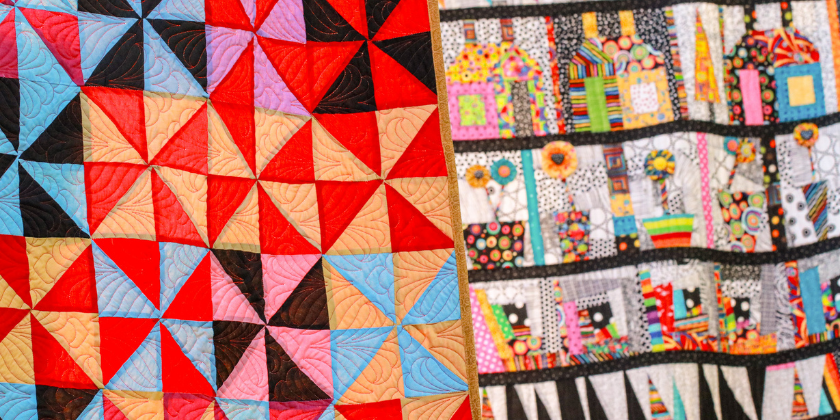
Some quilts use classic blocks and repeating patterns. Others include flowers, landscapes, animals, portraits, or completely original designs.
That is what makes quilting so interesting. The same basic materials can be used in thousands of different ways.
Quilts Can Tell Stories
Quilting has been around for centuries, and quilts have often been connected to the people who made them.
A quilt might include fabric from old clothing, a special event, or another meaningful part of someone’s life. Some quilts were made to celebrate weddings, births, holidays, or important moments in history. Because of that, quilts can almost work like fabric scrapbooks. Colors, patterns, fabrics, and stitching styles can tell us something about when a quilt was made and who created it. Many historic quilts are now preserved in museums because they give us a unique look at art, daily life, fashion, and history.
Quilting Is Art
Think about everything an artist has to consider when creating a painting.
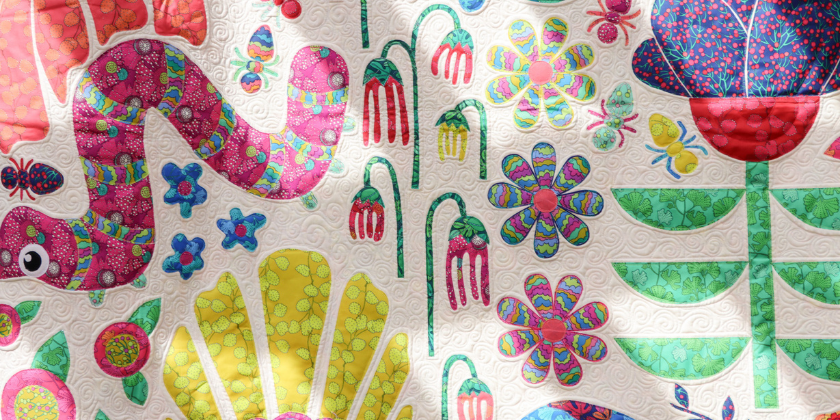
Color. Shape. Balance. Texture. Movement. Quilters think about many of the same things. They decide which colors look good together, where patterns should repeat, how large or small each shape should be, and where they want your eye to look first. Even two people using the same quilt pattern can create completely different finished quilts just by choosing different fabrics and colors. That is why quilting is often considered a form of textile art.
There Is a Lot of Math in Quilting
You might not think of math when you look at a quilt, but it is everywhere.
Many quilt patterns are made from:
- Squares
- Triangles
- Rectangles
- Diamonds
- Circles
- Repeating shapes
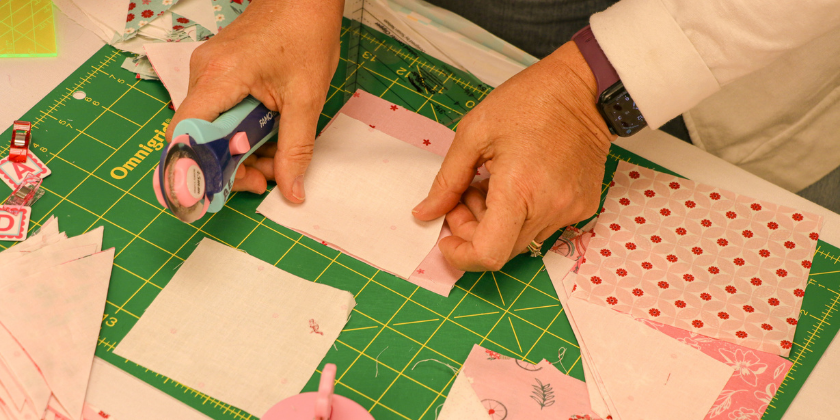
Quilters have to carefully measure and cut fabric so all of those pieces fit together. They also calculate how much fabric they need, how large each block should be, how wide borders need to be, and how the final quilt will fit together. Even being off by a small amount can make a big difference when you are sewing dozens of pieces together.
So yes—quilting is creative, but it also takes some serious problem-solving.
There Is Science in Quilting Too
Different fabrics behave in different ways. Some stretch more than others. Some are heavier. Some hold color differently or feel softer. Quilters have to think about the type of fabric, thread, batting, and stitching they use because all of those choices can affect the finished quilt.
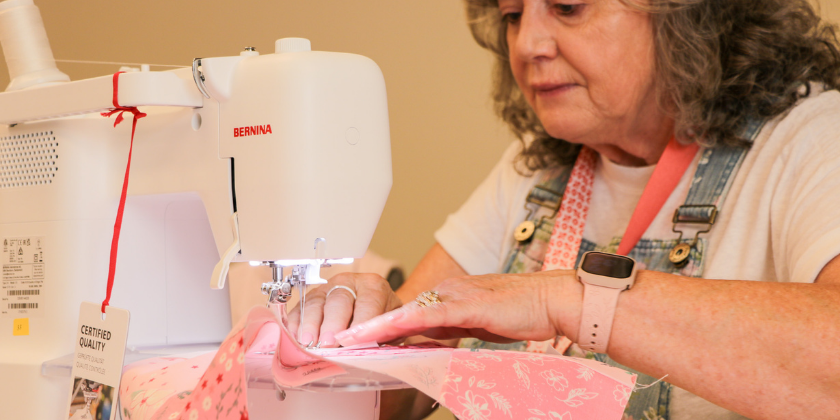
Technology has also changed quilting over time. While many quilts were once sewn completely by hand, today’s quilters can use sewing machines, digital patterns, precision cutting tools, and even computerized quilting machines.
The tools may have changed, but the creativity behind the craft is still going strong.
Want to Learn How to Quilt?
If you’re just getting into quilting, it can feel like there is a lot to learn. There are fabrics, patterns, rulers, sewing machines, cutting tools, and plenty of new terms.
But every quilter starts somewhere.
Beginner quilters usually start by learning a few basics:
- How to choose fabric
- How to measure and cut pieces
- How to sew an even seam
- How to make a quilt block
- How to sew blocks together
- How to add batting and backing
- How to finish a quilt with binding
Starting with a simple project can help you build confidence before moving on to more detailed designs. Taking a class or watching another quilter demonstrate a technique can also make learning much easier.
See More Than 500 Quilts at Garden of Quilts
One of the best ways to understand quilting is to see the finished art up close.
Garden of Quilts at Thanksgiving Point brings hundreds of quilts together in one unforgettable outdoor display. Now in its eighth year and presented in partnership with Riley Blake Designs, Garden of Quilts celebrates creativity, craftsmanship, and community. More than 500 quilts are displayed throughout Ashton Gardens, turning the garden paths into a giant outdoor art gallery. As you walk through the gardens, you’ll see quilts surrounded by flowers, trees, lawns, fountains, and beautiful views. It’s a completely different experience from seeing quilts inside a traditional exhibit hall.
get tickets